Vape Culture: Examining the Emergence of Vaping in Contemporary Society
Vape culture has risen as a notable movement among millennials and young adults, fueled by the pursuit of healthier choices and a wide range of flavor varieties. Social media accelerates this movement, presenting vaping as a socially acceptable choice. Nevertheless, the health-related consequences continue to be disputed, prompting serious questions regarding its safety. As more information vaping establishments transform into social gathering spaces, the characteristics of this movement remain in constant flux. What does the future hold for this expanding trend?
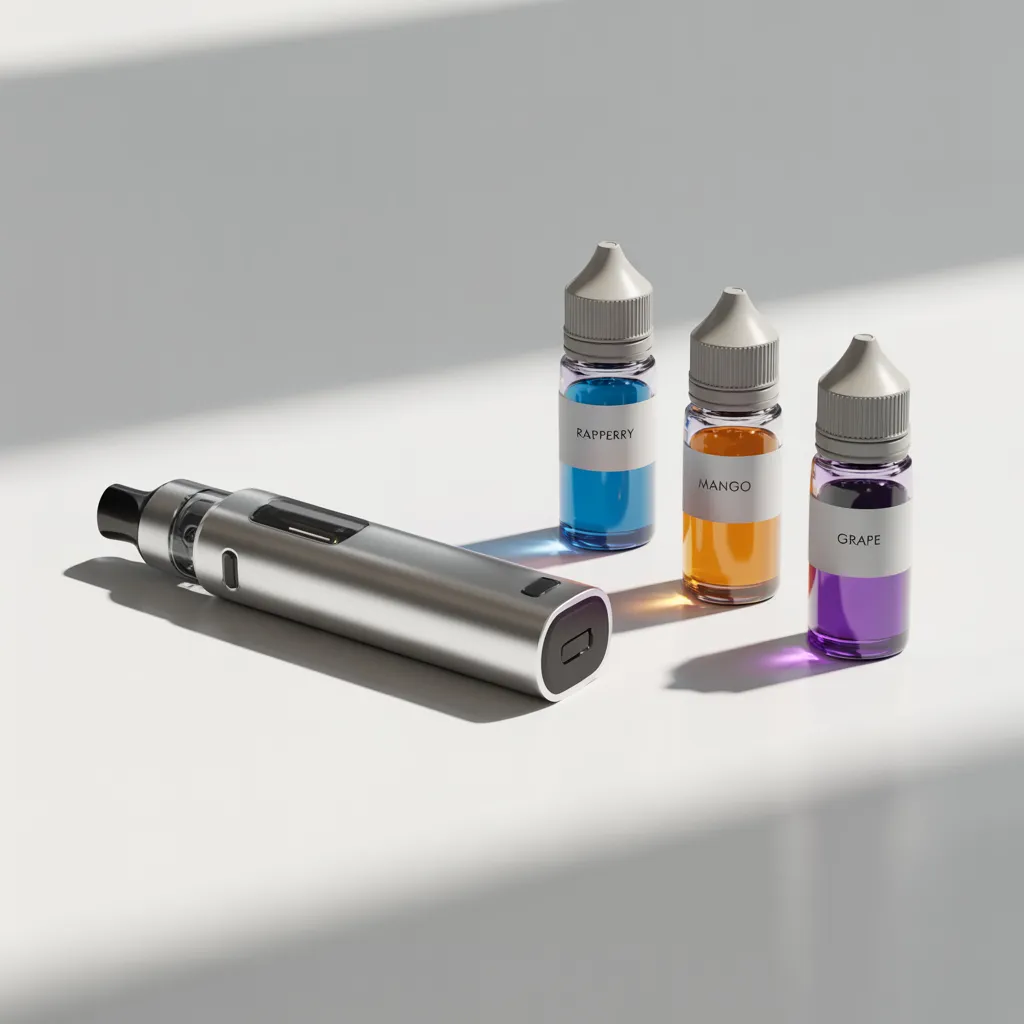
Why Are So Many People Making the Switch to Vaping?
As the understanding of the health dangers linked to conventional smoking increases, a growing number of people are turning to vaping as an apparently less harmful substitute. This shift is driven by a combination of factors, among them the allure of varied tastes and personalized settings that vaping devices deliver. Many users appreciate the varied flavors, which range from fruity to dessert-inspired, making the experience more enjoyable compared to conventional tobacco. Moreover, vaping is commonly perceived as a more socially embraced habit, particularly within younger populations. The technology behind vaping devices also allows for a level of control over nicotine intake, appealing to those looking to reduce consumption gradually. In addition, the belief that vaping is less disruptive and produces fewer lasting odors than cigarette smoking adds to its growing appeal. As a result, a diverse range of individuals, from former smokers to those new to nicotine, are increasingly making the switch to vaping.
Can Vaping Be Considered Safe? The Health Controversy?
When comparing the safety of vaping to traditional smoking, what do we find? This inquiry has ignited substantial controversy among healthcare specialists and the general population. Although vaping is frequently promoted as a healthier option compared to smoking, the truth is far more nuanced. Electronic cigarettes generally have fewer harmful compounds than conventional cigarettes, which may potentially lower certain health hazards. Nevertheless, vaping continues to deliver dangerous substances into the body, such as nicotine, which may result in dependency and possible heart-related complications.
Recent studies have highlighted concerns about the long-term effects of breathing in vaporized compounds, particularly since many ingredients in e-liquids remain unstudied. Additionally, documented cases of lung injuries tied to vaping have surfaced, further contributing to the doubt regarding its safety. At the end of the day, while vaping may be less harmful than conventional smoking, it is far from entirely risk-free, demanding thoughtful evaluation from both users and policymakers.
Who's Joining the Vaping Trend?
Who finds appeal in the vaping phenomenon? A broad spectrum of individuals is drawn to vaping, across different age groups and lifestyles. Young adults, particularly those in their late teens to early twenties, commonly explore options beyond traditional tobacco products, viewing vaping as a modern lifestyle choice. A significant number are influenced by the belief that vaping poses fewer health risks and offers a customizable experience through various flavors and nicotine levels.
Furthermore, former smokers shifting to vaping make up a notable demographic. They may see it as a means to reduce nicotine consumption while still enjoying the act of inhaling. Curiosity also drives some individuals, as the social elements of vaping entice those who wish to connect with like-minded individuals or try new things. Vaping's widespread availability, along with its sense of novelty, consistently brings a diverse array of people into the vaping sphere.
The Way Social Media Influences Vape Culture
What role does social media play in shaping vape culture? Social media channels have emerged as key drivers in popularizing and normalizing vaping across diverse audiences. By sharing visually compelling content, influencers present vaping as a lifestyle decision, frequently highlighting its visual appeal and communal dimensions. Vaping-related hashtags and online challenges foster a sense of belonging, motivating users to exchange their experiences and personal preferences. Moreover, social platforms including Instagram and TikTok empower users to generate and spread tutorials, vaping techniques, and product assessments, increasing the prominence of vaping products and brands.
This continuous exchange cultivates an environment where vaping is not just a habit but a means of individual expression. The widespread reach of social media accelerates tendencies, leading to rapid shifts in consumer preferences. Therefore, social media acts as a double-edged sword, both spreading knowledge about vaping and perhaps embellishing the activity, particularly among a younger generation.
How Vaping Impacts Lifestyle Decisions
Vaping has become a significant factor in shaping contemporary lifestyle choices, affecting everything from everyday social encounters to individual identity. For a great number of people, vaping acts as a social catalyst, enabling connections across both relaxed and professional environments. The act of vaping often creates a shared experience among users, fostering community bonds and establishing norms around social gatherings.
Additionally, vaping has transformed personal identity for some people, separating them from traditional smokers or non-smokers. The choice of flavors, devices, and brands enables people to showcase their personal preferences, contributing to a sense of individuality.
In addition, health-related views related to vaping have triggered lifestyle shifts; a number of users regard it as a more health-conscious option compared to smoking, while others embed it within fitness-oriented narratives. When all is considered, vaping affects preferences regarding social engagement, identity expression, and wellness, illustrating its profound impact on today's lifestyle choices.
Vape Shops: Community Hubs for Enthusiasts
In the evolving landscape of vaping culture, vape shops have emerged as important social centers for enthusiasts. These locations operate as gathering places where individuals can bond over their common enthusiasm for vaping. Beyond merely selling products, vape shops often host community events, such as product tastings and educational workshops, cultivating a sense of community among patrons.
The well-informed staff regularly offer helpful guidance into the newest devices and e-liquid options, enhancing the overall vaping experience. This individualized service strengthens trust and dedication within the community. Additionally, vape shops often create welcoming environments, encouraging social interactions among customers, which often results in strong friendships and supportive networks.
With vaping steadily increasing in popularity, these shops play an important role in shaping a culture centered around exploration and education. By prioritizing community engagement, vape shops not only enhance personal experiences but also aid in building a dynamic, interconnected vaping culture.
Upcoming Trends in Vape Culture
How might vape culture develop as technological advancements and societal views continue to shift? With the progression of vaping technology, developments like smart devices and personalized options are expected to appeal to a broader demographic. Upgraded user interfaces and app connectivity may support individualized experiences, empowering users to track their consumption habits and preferred flavors. Moreover, the rising priority placed on health and wellness could transform attitudes, fostering broader acceptance of vaping as a less detrimental option compared to traditional smoking.
Policy modifications will also play a critical role as legislators adopt more rigorous standards, companies might emphasize accountability and standards, cultivating a more conscientious sector. Societal views are likely to change further, with vaping becoming more integrated into mainstream culture, comparable to the craft beverage or specialty drink movement. In the end, the trajectory of vaping culture will be characterized by a blend of technological innovation, regulatory oversight, and evolving public perceptions, shaping a distinct identity within contemporary society.
Commonly Asked Questions
Which Flavors Are Most Favored by Vapers Today?
Fruity flavors, especially watermelon, mango, and berry, lead the vaping market at present. Sweet dessert flavors, like chocolate and vanilla custard, are also widely popular, drawing in those who desire rich and satisfying vaping experiences.
How Much Do You Usually Spend on Vaping Each Month?
Monthly vaping costs usually range from $30 to $100, depending on usage, device type, and e-liquid choices. Consistent users could experience notable differences in spending according to individual habits and usage levels.
Are There Age Restrictions for Purchasing Vape Products?
Yes, there are age restrictions for buying vape products. In many regions, individuals must be at least 18 to 21 years old, depending on local laws, to legally purchase vaping devices and related products.
Does Vaping Help Smokers Quit Cigarettes Entirely?
Vaping might support some users in completely giving up smoking by offering a safer substitute. Nevertheless, its effectiveness varies among users, and continued use of vaping can sustain nicotine reliance in certain individuals.
What Are Common Misconceptions About Vaping?
Common misconceptions about vaping involve the assumptions that it is completely safe, that it is free of dangerous chemicals, and that it is solely a gateway to smoking. These false beliefs have the potential to affect views and habits concerning vaping.